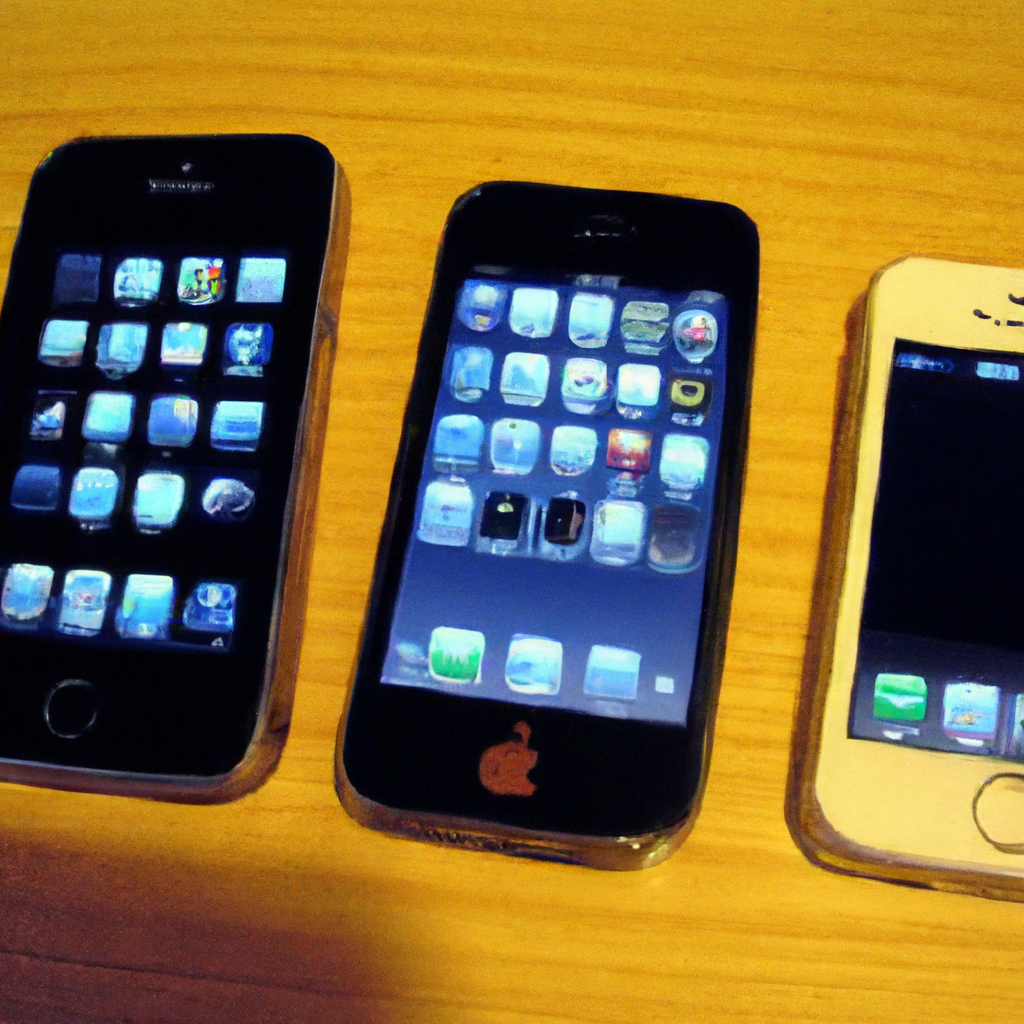
Imagine a world without the remarkable technology we carry in our pockets today. The evolution of the iPhone has transformed the way we communicate, work, and play. From its humble beginnings to the cutting-edge innovations of today, the iPhone has become an iconic symbol of Apple’s triumphs and the enduring legacy of its visionary founder, Steve Jobs.
This article explores the fascinating journey of the iPhone, tracing its development through time and the extraordinary impact it has had on our lives.

The Beginning of Apple
In the early 1970s, two young and ambitious entrepreneurs, Steve Jobs and Steve Wozniak, laid the foundation for what would soon become one of the most influential technology companies in the world – Apple. Their journey began in the garage of Jobs’ parents’ house, where they tirelessly worked on developing and refining their ideas.
Founding of Apple
In 1976, Jobs, Wozniak, and their colleague Ronald Wayne officially established Apple Computer, Inc. Their shared vision was to create personal computers that were not only powerful but also user-friendly. With their combined skills and passion, they set out to revolutionize the way people interacted with technology.
Steve Jobs and Steve Wozniak
Steve Jobs and Steve Wozniak, the co-founders of Apple, brought together a unique blend of creativity and technical expertise. Jobs had an exceptional ability to understand and anticipate customer needs, while Wozniak possessed an unparalleled knack for engineering and designing innovative computer hardware. This dynamic duo would prove to be pivotal in shaping Apple’s success.
The Apple I
In 1976, Apple introduced its first product, the Apple I. Designed and built by Wozniak, this rudimentary computer featured a revolutionary concept – a pre-assembled motherboard. It was a breakthrough in simplicity and user-friendliness, setting the stage for Apple’s future endeavors.
The Apple II
The real game-changer for Apple came in 1977 with the release of the Apple II. This personal computer was a significant leap forward in terms of power and functionality.
It introduced color graphics, a built-in keyboard, and expansion slots, making it more accessible to a broader audience. The Apple II became an enormous success, solidifying Apple’s position as a leading technology company.
The Evolution of the iPhone
Steve Jobs’ Vision
Steve Jobs, Apple’s visionary leader, had grand aspirations for the company. He believed that technology could transform the way people communicate and access information. With this vision in mind, Jobs set out to create a game-changing product that would revolutionize the mobile phone industry.
The Partnership with AT&T
In 2005, Apple forged a historic partnership with telecommunications giant AT&T (now known as Verizon Wireless). This collaboration would be instrumental in bringing the iPhone to life. With AT&T’s extensive network and resources, Apple had the support it needed to launch its groundbreaking product.
The Announcement of iPhone
On January 9, 2007, Steve Jobs took the stage at the Macworld Conference and Expo to unveil the iPhone. This highly anticipated device combined a mobile phone, iPod, and internet communication device into one unprecedented package. Jobs described it as a “revolutionary and magical product,” setting the stage for a new era in mobile technology.
The First Generation iPhone
Design and Features
The first-generation iPhone, released in June 2007, boasted a sleek and minimalist design. It featured a 3.5-inch touchscreen display that revolutionized the way users interacted with their phones. The iPhone also incorporated a 2-megapixel camera, a digital music player, and Internet connectivity.
iOS and App Store
The iPhone introduced the iOS operating system, which offered a seamless and intuitive user experience. It allowed users to access email, browse the web, and download applications from the newly launched App Store. The App Store, with its wide-ranging selection of apps, would go on to become a thriving marketplace for developers and a game-changer in the tech industry.
Lack of 3G
One of the criticisms of the first-generation iPhone was its lack of 3G connectivity. At the time, many competing phones offered faster data speeds, leaving some users longing for a more robust internet experience. However, the overall user experience and groundbreaking design overshadowed this drawback.
Mixed Reviews
The first-generation iPhone received mixed reviews from critics. While many praised its breakthrough design and user-friendly interface, others expressed concerns about its durability and battery life. Despite the criticism, the iPhone quickly gained popularity among early adopters and set the stage for future iterations.
The iPhone 3G and App Store Revolution
Introduction of 3G Connectivity
In 2008, Apple addressed one of the key criticisms of the first-generation iPhone with the release of the iPhone 3G. This new model featured 3G connectivity, providing faster internet speeds and a more seamless browsing experience. It was a significant improvement that enhanced the overall usability of the device.
Expansion of App Store
With the iPhone 3G, Apple also expanded the capabilities of the App Store, providing developers with new tools and resources to create innovative apps. This led to an explosion in the number and variety of available applications, further solidifying the App Store’s position as the go-to platform for mobile app distribution.
iOS 2.0 and Push Notifications
The iPhone 3G also introduced the iOS 2.0 operating system, which brought significant improvements to the platform. One of the notable new features was push notifications, allowing users to receive real-time updates from their favorite apps. This feature greatly enhanced the iPhone experience and made it even more indispensable to its users.

The iPhone 3GS and Faster Performance
Improved Speed and Processor
In 2009, Apple released the iPhone 3GS, which brought substantial improvements to the device’s performance. It featured a faster processor, making it snappier and more responsive. This upgrade allowed users to multitask seamlessly and run more demanding applications without any hiccups.
Enhanced Camera and Video Recording
The iPhone 3GS also introduced an upgraded camera, with a 3-megapixel sensor and improved autofocus capabilities. This enhancement enabled users to take sharper photos and record videos with ease. The addition of video recording was a significant step forward for the iPhone, as it positioned it as a versatile multimedia device.
The iPhone 4 and Retina Display
Groundbreaking Design
The iPhone 4, released in 2010, marked a significant milestone in Apple’s design philosophy. It featured a sleek and modern glass and stainless-steel enclosure, setting a new standard for smartphone aesthetics. Its flat, rectangular form factor became an iconic design that would be emulated by other manufacturers.
Introduction of Retina Display
One of the standout features of the iPhone 4 was its Retina Display, which offered an unprecedented level of visual clarity. With a resolution of 326 pixels per inch, the iPhone 4’s display surpassed the limits of the human eye, resulting in crisp and vibrant images. This breakthrough technology set the stage for higher-quality media consumption on mobile devices.
Facetime and Multitasking
The iPhone 4 also introduced Facetime, Apple’s proprietary video calling feature. Facetime allowed users to make high-quality video calls to other iPhone users, elevating the way people connected with their loved ones.
Additionally, the iPhone 4 brought multitasking capabilities to iOS, enabling users to switch seamlessly between apps and perform multiple tasks simultaneously.

The iPhone 4S and Siri
Siri’s Debut
The iPhone 4S, released in 2011, introduced Siri, Apple’s virtual voice assistant. Siri quickly became an iconic feature, allowing users to interact with their iPhones using natural language commands. Whether it was setting reminders, sending messages, or getting directions, Siri made performing tasks on the iPhone more convenient than ever before.
Improved Camera and Processing Power
The iPhone 4S also made significant enhancements to its camera and processing power. It featured an 8-megapixel camera with advanced optics and improved low-light performance, making it even more capable of capturing stunning photos. The faster processor ensured smooth and seamless performance, enabling users to run demanding applications effortlessly.
The iPhone 5 and Lightning Connector
New Design and Larger Screen
With the release of the iPhone 5 in 2012, Apple introduced a new design that featured a larger 4-inch display. This change allowed for an enhanced viewing experience, making the iPhone more immersive for multimedia consumption and gaming. The iPhone 5’s slim profile and lightweight construction made it more portable and aesthetically pleasing.
Introduction of Lightning Connector
The iPhone 5 also brought about a significant change in connectivity with the introduction of the Lightning Connector. This new connector replaced the traditional 30-pin dock connector, offering faster data transfer speeds and enhanced durability. The Lightning Connector became the new standard for Apple devices, paving the way for future innovations.
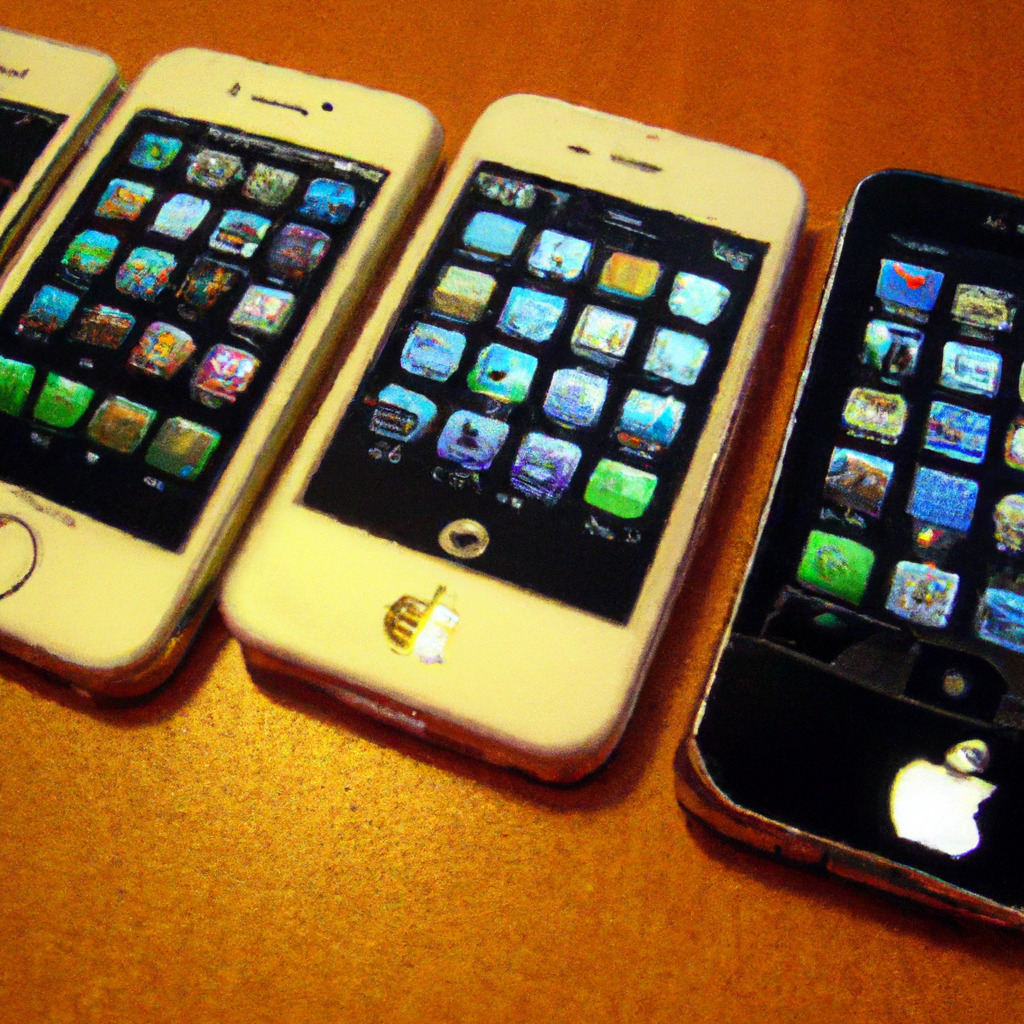
The iPhone 5S and Touch ID
Introduction of Touch ID
In 2013, Apple introduced Touch ID with the release of the iPhone 5S. This revolutionary feature allowed users to unlock their iPhones and authenticate purchases using their fingerprint. Touch ID not only provided an added layer of security but also made accessing the iPhone more convenient and seamless.
64-bit Processor
The iPhone 5S also introduced the first-ever 64-bit processor in a smartphone. This breakthrough in mobile processing power brought desktop-like performance to the iPhone, enabling faster app launches, smoother multitasking, and improved graphics performance. It set a new standard for smartphone computing power and future-proofed the iPhone for years to come.
Improved Camera
The iPhone 5S also saw improvements in its camera technology. With a larger sensor and aperture, the iPhone 5S captured richer and more detailed photos, even in challenging lighting conditions. The addition of a dual-LED flash further enhanced the camera’s capabilities, ensuring well-lit and natural-looking photos.
The Latest iPhone Models
iPhone XS, XR, XS Max
In recent years, Apple has continued to push the boundaries of smartphone technology with new releases such as the iPhone XS, XR, and XS Max.
These models feature larger and edge-to-edge displays, delivering immersive viewing experiences. They also incorporate advanced camera systems, offering users more creative flexibility and capturing stunning photos and videos.
Enhancements in Cameras and Performance
With each new iPhone release, Apple has consistently improved the camera capabilities, introducing technologies such as Smart HDR and Night mode.
These advancements have enabled users to capture professional-quality photos and videos, even in challenging lighting conditions. The latest iPhone models also feature powerful processors, delivering faster performance and enhanced efficiency.
Introduction of Face ID in all Models
Apple’s Face ID technology has become a standard feature in the latest iPhone models. With Face ID, users can securely unlock their iPhones, authenticate transactions, and access apps with just a glance.
This biometric authentication system adds an extra layer of security and convenience, making it easier and more secure for users to interact with their iPhones.
As we reflect on the evolution of the iPhone, we see how Apple continually pushes the boundaries of innovation, revolutionizing the way we communicate, work, and play. Under the visionary leadership of Steve Jobs, Apple set out to create devices that not only excelled in performance but also provided an unparalleled user experience.
Today, the iPhone remains a symbol of innovation and excellence, testament to Jobs’ enduring legacy and Apple’s commitment to shaping the future of technology.